

STORY OF THE WEEK
Why Renewed Iran–US Tensions Are Shaking the Markets
A tanker attack in Hormuz triggers US retaliation and a fresh wave of volatility.
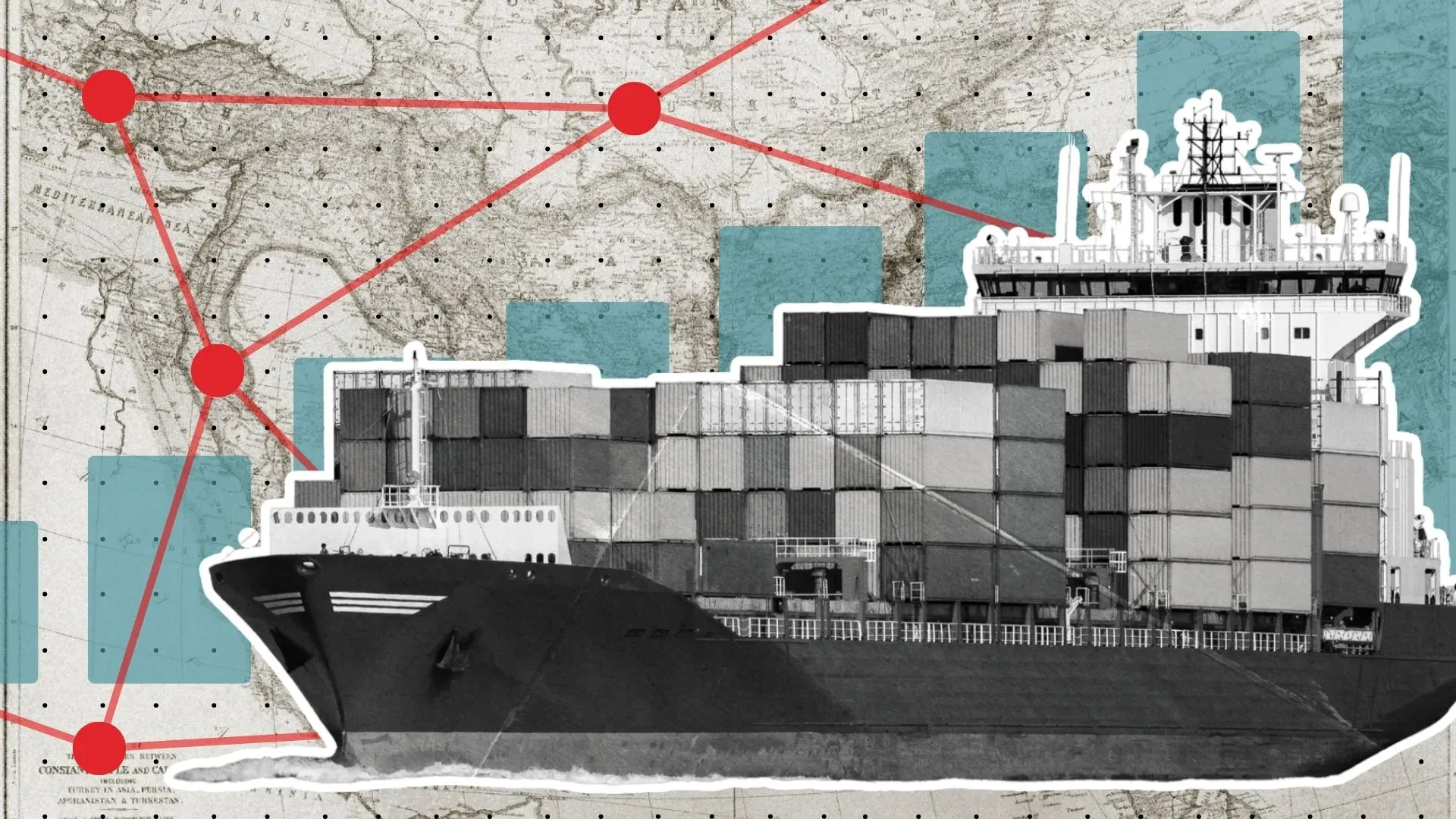
The already fragile U.S.–Iran ceasefire has officially collapsed, sending shockwaves through strained global markets. After Iran attacked three commercial tankers in the Strait of Hormuz on July 6 and 7, the US launched retaliatory strikes and revoked its sanctions waiver on Iranian oil exports, reintroducing the same supply uncertainty that had driven Brent crude sharply higher at points since the war began in February, before those gains were later erased during ceasefire periods. President Trump's declaration that the truce was "over," followed by a softer signal that the fighting wouldn't necessarily mean full scale war, added to a now familiar pattern of mixed signals traders have had to price in all year.
The renewed strikes deepened investor unease as both sides escalated further and casualties mounted. Energy markets were the most immediate transmission point: US Strategic Petroleum Reserve stocks are sitting at their lowest level since 1983, leaving little cushion against a fresh supply shock and amplifying the market's sensitivity to every headline out of the region.
US indices fell over three sessions, with the S&P 500 dropping from 7,537 to 7,482 and the Dow shedding 576 points Wednesday, though the Nasdaq held up.
The ITA aerospace ETF remained a top performer while Treasury yields climbed for a seventh straight session to 4.569 percent.
Carnival, Norwegian Cruise Line, United Airlines, and Delta all declined as oil costs rose.
Taken together, the week underscored how tightly capital markets remain tethered to the Hormuz supply line: every escalation drives money out of fuel exposed consumer names and into defense and yield sensitive assets, while depleted emergency reserves leave policymakers with less room to cushion the next shock.