
Connect With Us
The Current

Our Insights

September 20, 2026

STORY OF THE WEEK

Warren Buffett’s Legacy

After more than 60 years, Warren Buffett is stepping down as Berkshire Hathaway chairman, leaving a lasting legacy in investing.
Warren Buffett’s Legacy

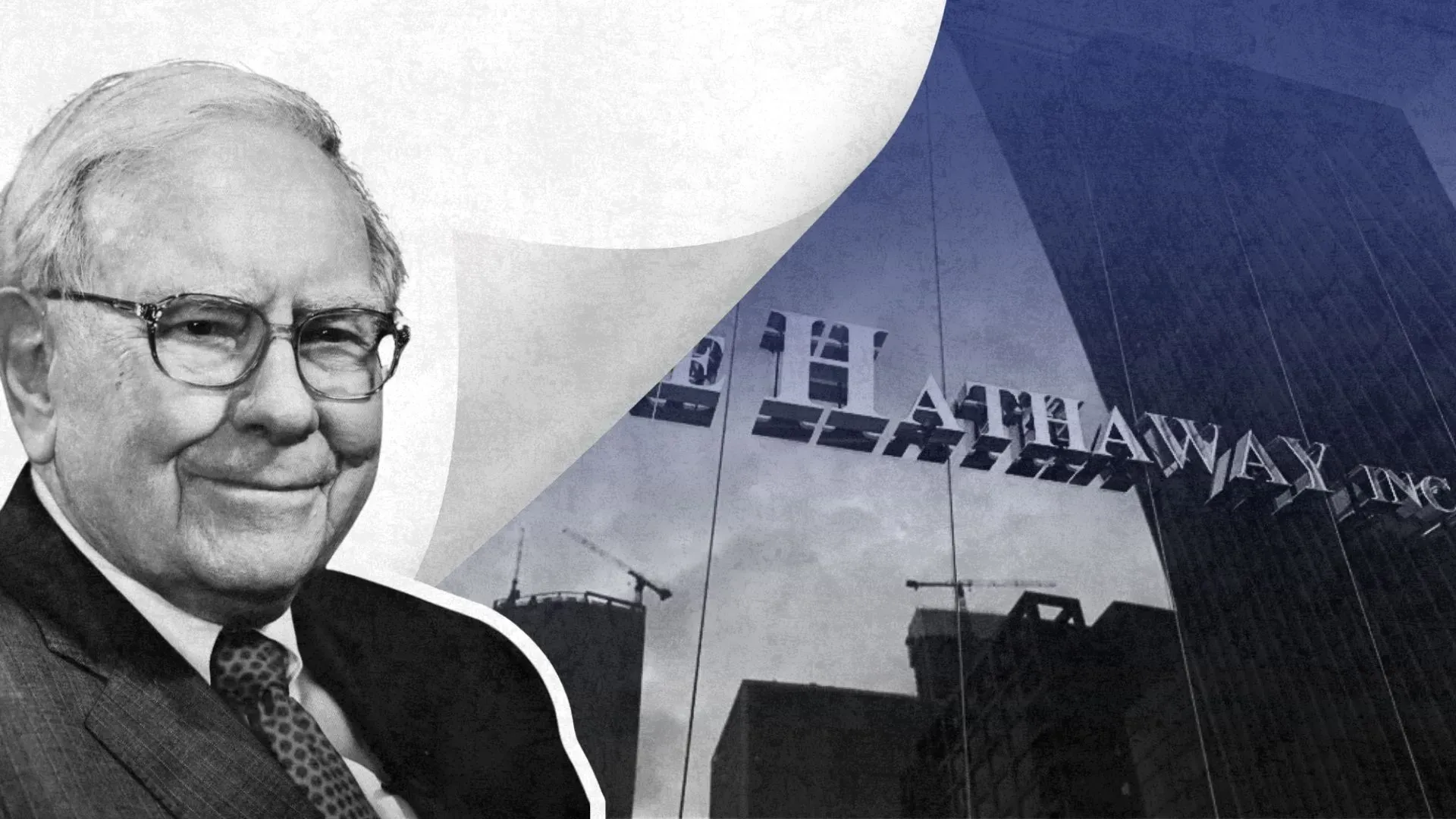
After more than six decades at Berkshire Hathaway, Warren Buffett is stepping down as chairman, closing one of the most remarkable chapters in investing history. Buffett will become chairman emeritus and remain on Berkshire’s board, while his son Howard Buffett takes over as chairman. Greg Abel, who succeeded Buffett as CEO, will continue leading the company’s operations.

Buffett took control of Berkshire in 1965 when it was a struggling textile company. He transformed it into a $1.1 trillion conglomerate with businesses ranging from insurance and railroads to energy and manufacturing. His investment philosophy was simple but powerful. Buy quality businesses, think long term and be disciplined with capital.

Buffett’s approach also changed how investors think about building wealth over time. His focus on owning strong businesses, thinking beyond short term market movements and allocating capital carefully helped make long term investing a defining part of the modern markets.

  • Berkshire’s per share market value gained +6,099,294% from 1964 through 2025.

  • Berkshire’s +19.7% annualized return since 1965 compares with +10.5% for the S&P 500 including dividends.

Buffett’s impact extends beyond Berkshire’s financial results. His annual shareholder letters and meetings gave everyday investors a closer look at how successful businesses evaluate opportunities, manage risk and make investment decisions. As he steps away from the chairman role, those lessons remain an important part of his influence on the investing world.
CLIMBS OF THE WEEK

What's Up in the Markets

What's Up in the Markets

TEM (+31.9%): Tempus AI’s promising investor day drew significant optimism sending the stock rallying.

GNRC (+10.9%): Generac spiked when the company announced a long-term agreement with Amazon to supply generators that could be worth up to $8 billion.

INTC (+5.5%): Intel shares surged after reports of talks with chip maker SK Hynix about potentially using Intel's Ohio facility for production.

SLIDES OF THE WEEK

What's Down in the Markets

What's Down in the Markets

CMCSA (-9.8%): Comcast moved lower and underperformed the competition this week over mounting concerns regarding future growth.

BAC (-7.9%): Bank of America fell when CEO Brian Moynihan warned of declining investment banking fees on top of a weak bond portfolio.

NFLX (-7.2%): Netflix shared slipped as a lack of new subscribers and declining engagement worried investors.

CHART OF THE WEEK

College Football’s New Price of Competition

College Football’s New Price of Competition

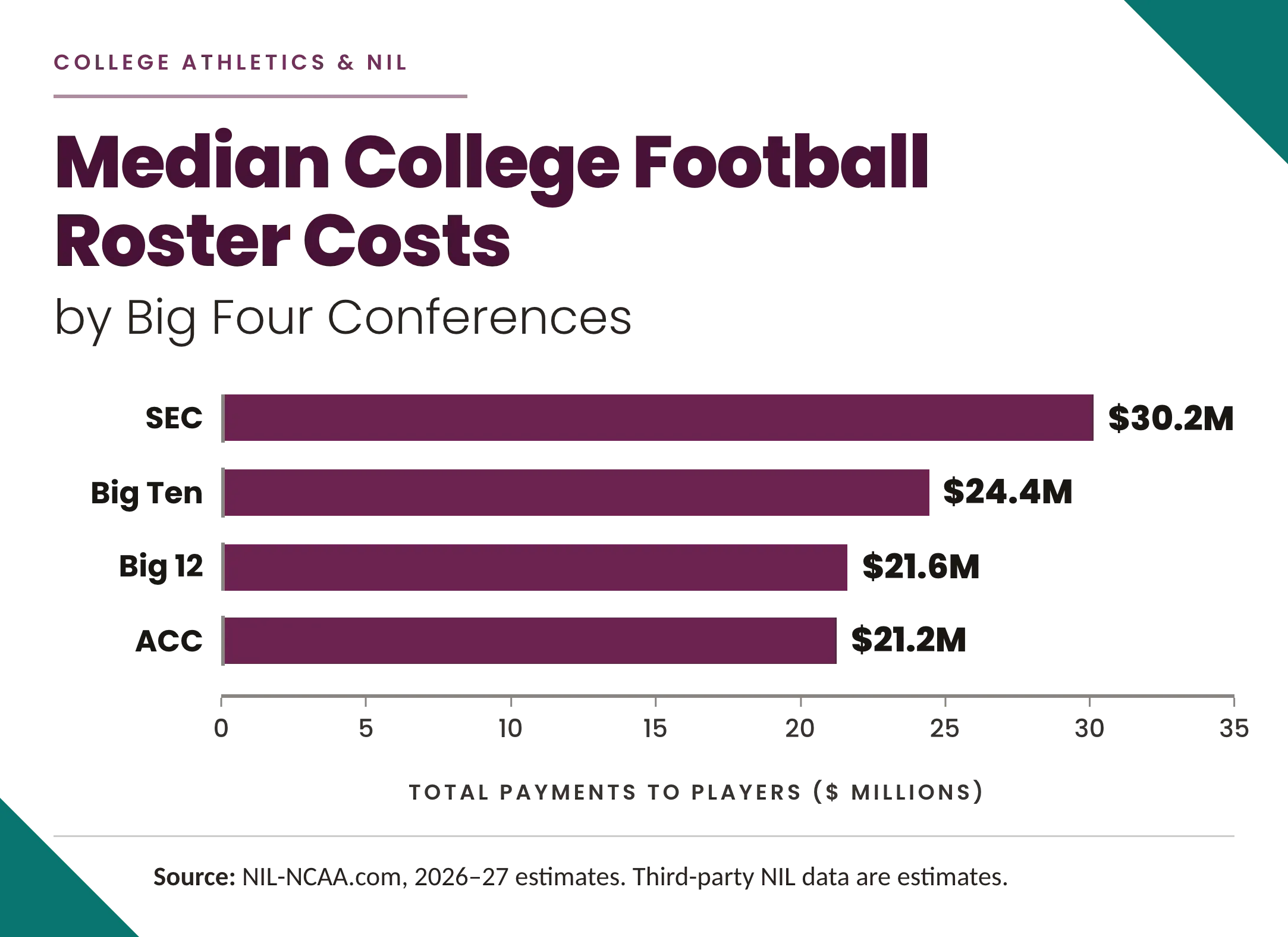
College football spending is becoming an increasingly important factor as schools compete to build their rosters. The SEC has the highest median roster cost, followed by the Big Ten, the Big 12, and the ACC. At the individual school level, Texas has the highest estimated roster cost at $46.5 million, followed by Oregon at $43.4 million, LSU at $41.0 million and Ohio State at $40.4 million. Several other highly ranked programs are also among the biggest spenders, including Miami, Texas A&M, Alabama and Georgia.

The early season rankings suggest there is a relationship between roster spending and field success, although spending alone does not determine where a team ranks. As of September 14, Texas was No. 1 in the AP Top 25, while Georgia, Miami, LSU, Texas A&M, Alabama and Ohio State were all ranked inside the top 10. At the same time, some heavily spending teams were ranked lower, including Oregon at No. 21, showing that larger financial commitments do not automatically translate into higher rankings. For college athletics, the growing cost of building a competitive roster could make financial resources increasingly important, while schools and fans will continue to watch whether higher spending consistently translates into wins, rankings and postseason success.

The Current