Connect with Us
The Current

Our Insights

May 17, 2026

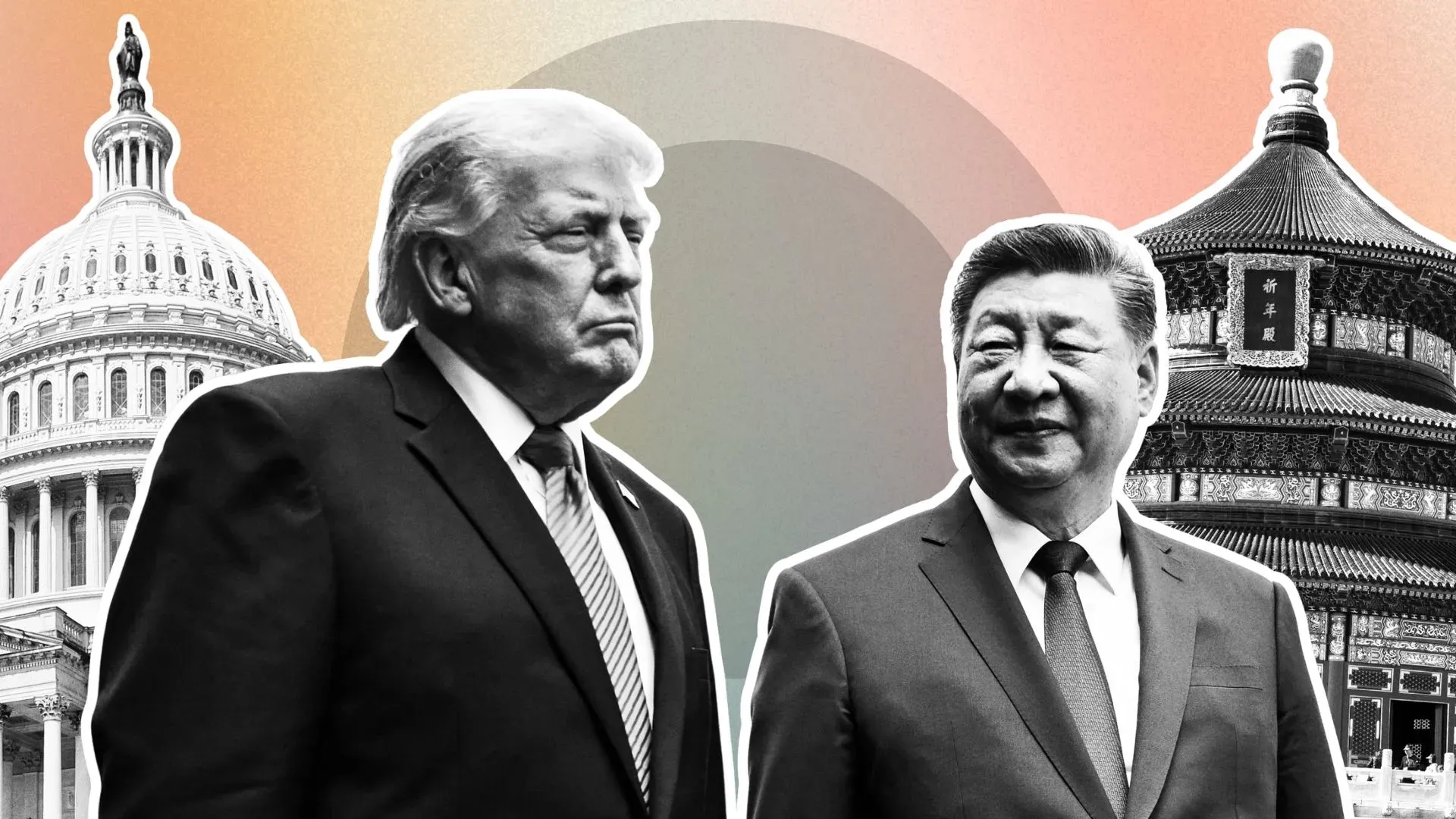
Trump and Xi Meet in Beijing

President Trump arrived in Beijing Thursday for his first presidential visit to China since 2017, sitting down with President Xi for a two-hour bilateral covering trade, Taiwan, and the U.S.-Iran

STORY OF THE WEEK

Trump and Xi Meet in Beijing

*A two-day summit yields alignment on Iran but no tariff deal.*

Trump and Xi Meet in Beijing

President Trump arrived in Beijing Thursday for his first presidential visit to China since 2017, sitting down with President Xi for a two-hour bilateral covering trade, Taiwan, and the U.S.-Iran conflict. Xi invoked the "Thucydides Trap" to frame the stakes, warned that Taiwan independence and cross-strait peace are "irreconcilable," and said mishandling the issue could push the relationship toward "clashes and even conflicts."

On trade, Trump confirmed aboard Air Force One that no tariff reductions were discussed, though USTR Jamieson Greer floated a "Board of Trade" framework targeting at least $30 billion in non-critical goods. The CEOs of Tesla, Nvidia, and Apple joined portions of the bilateral. On Iran, both sides agreed Tehran cannot develop a nuclear weapon and that the Strait of Hormuz must stay open to global energy flows.

  • Xi called Taiwan the most critical issue in the bilateral relationship, warning of potential conflict if mishandled; the White House did not mention Taiwan in its readout

  • Trump confirmed no tariff deal was reached; Greer proposed a "Board of Trade" covering at least $30 billion in non-critical goods

  • China agreed to order 200 Boeing jets, above the 150 units expected; the U.S. separately cleared roughly 10 Chinese firms to purchase Nvidia H200 chips, though no deliveries have been made as Beijing has yet to authorize purchases

Both leaders struck an optimistic public tone, with Xi saying "trade wars have no winner" and Trump calling the future of the relationship "fantastic." Whether the goodwill translates into formal agreements on trade or Taiwan remains unclear.
CLIMBS OF THE WEEK

What's Up in the Markets

What's Up in the Markets

NBIS (+24.2%): An extreme revenue surge pushed the AI-beneficiary higher as hyperscaler spending continues.

PANW (+16.8%): Investors are piling into the security titan as the company previously took a hit from the news of Anthropic’s Mythos, but is not partnered with the model maker.

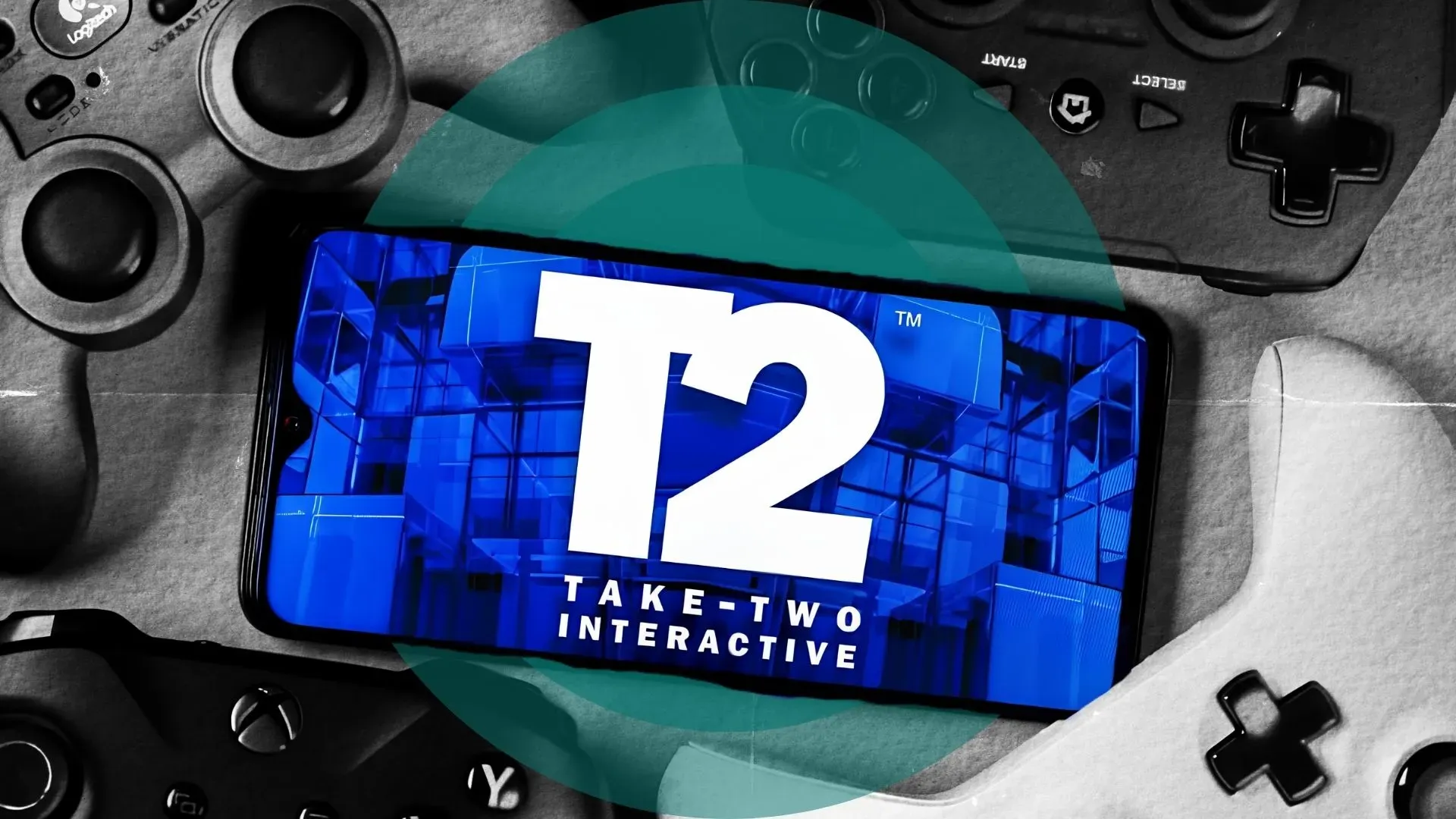
TTWO (+10.0%): A new GTA 6 trailer raised hopes that pre-orders are soon to come for the game developer.

SLIDES OF THE WEEK

What's Down in the Markets

What's Down in the Markets

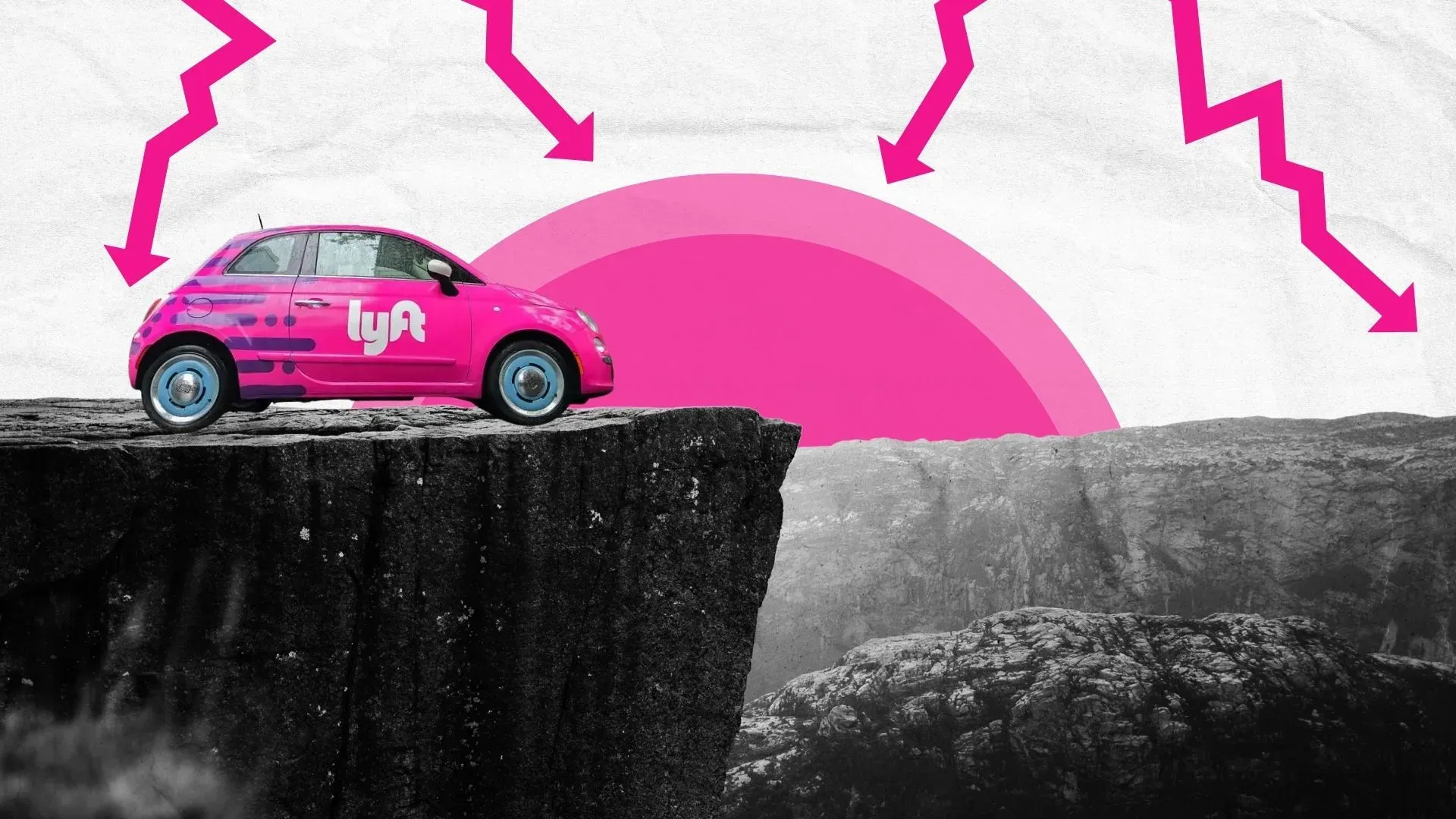
LYFT (-9.6%): As investors digest Lyft and Uber earnings simultaneously, they seem to be riding with Uber – for now.

TOST (-7.9%): Shares continue to plummet after last weeks earnings news, despite the company raising profitability guidance.

PTON (-7.0%): After exciting earnings last week, the company has now lost some ground that they gained as investors may not be entirely convinced of a turnaround.

CHART OF THE WEEK

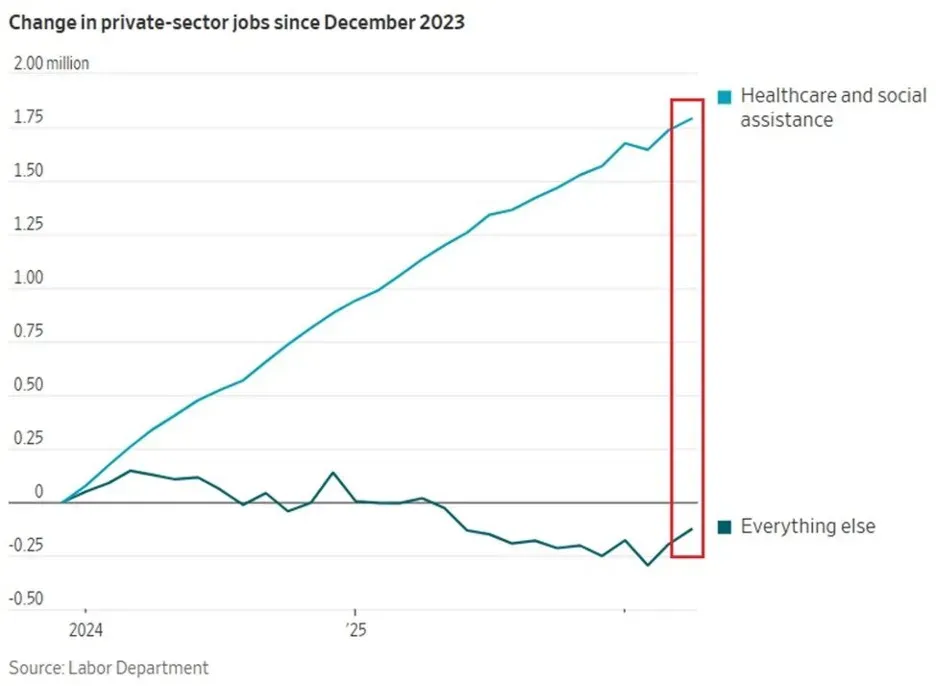
One Sector Is Carrying the Entire U.S. Job Market

The American labor market looks healthy on the surface, but strip out healthcare and social

One Sector Is Carrying the Entire U.S. Job Market

The American labor market looks healthy on the surface, but strip out healthcare and social assistance and private-sector employment has been shrinking for months. Every other industry combined has shed a net quarter-million jobs since December 2023, a contraction that has accelerated into 2025 and shows no sign of reversing.

That gap matters for workers and consumers alike. Healthcare jobs tend to be regionally concentrated, harder to access without credentials, and less exposed to the trade and manufacturing pressures weighing on the rest of the economy. For the majority of private-sector workers outside that sector, the job market is quietly tightening. Wage bargaining power weakens when hiring slows, discretionary spending follows, and the headline unemployment figures that shape Fed policy may be masking a softer underlying reality than the numbers suggest.

The Current