
STORY OF THE WEEK
Middle East Conflict Rattles Markets as Fed Holds Rates Steady
The implications for the U.S
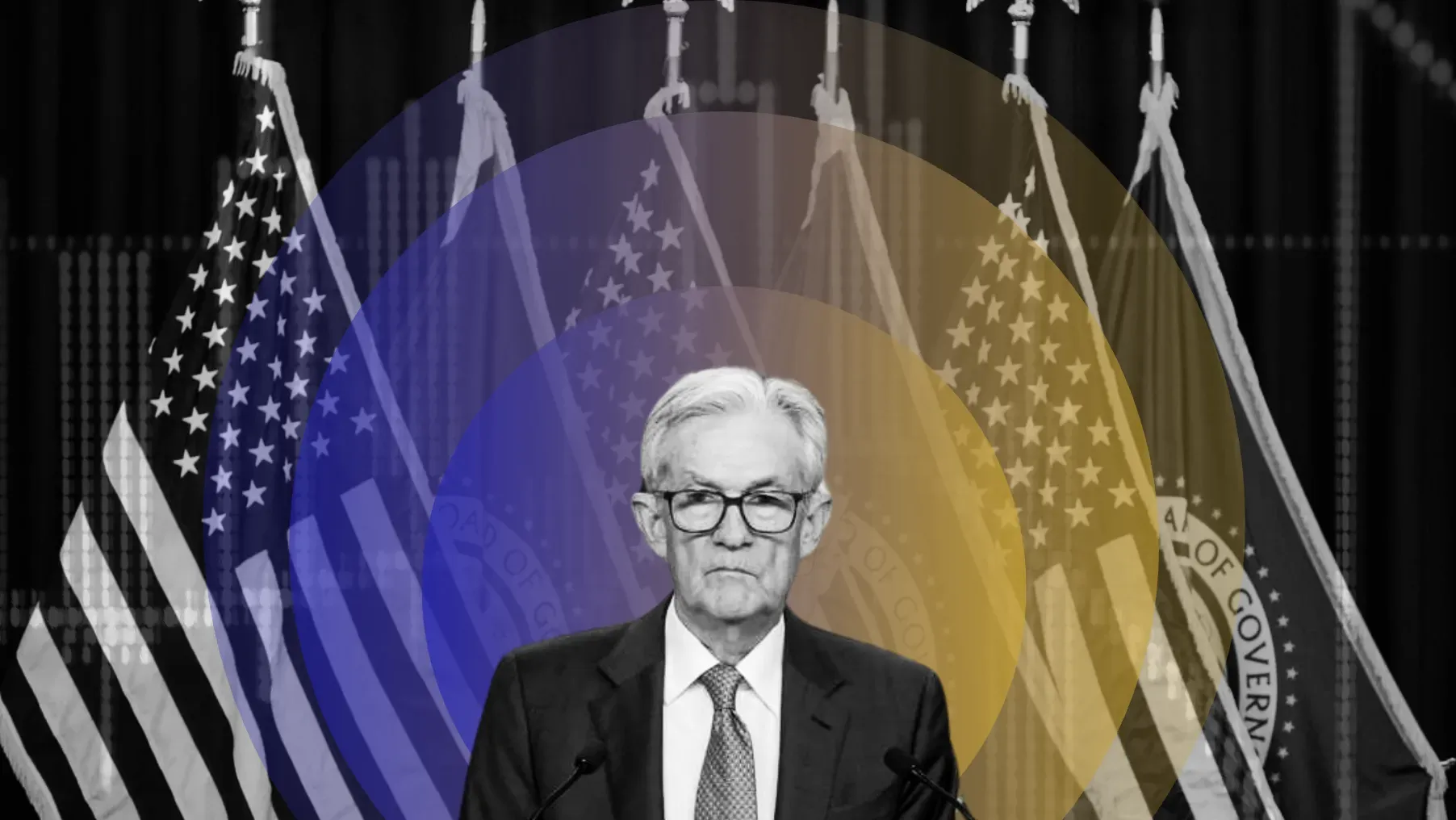
The implications for the U.S. economy are uncertain — and so is your rate cut.
The Federal Reserve's policymaking body voted to keep its key interest rate at 3.50% - 3.75% for a third consecutive meeting, a widely expected decision complicated by rising uncertainty stemming from the Middle East conflict. The lone dissenter was Stephen Miran, who favored a 25-basis-point reduction.
The FOMC acknowledged solid economic expansion but flagged persistently elevated inflation, above the Fed's 2.0% target for five years, alongside a softening labor market. Officials subtly downgraded their employment language, describing the unemployment rate as having "little changed in recent months."
Fed Chair Jerome Powell stated that the conflict's economic implications remain unclear, though some inflationary effects are expected. He indicated that progress on inflation may become visible around mid-year as tariff-related pressures ease year-over-year, but was unequivocal: rate cuts will not come without measurable improvement.
Officials continue to project only one rate cut in 2025, unchanged from December. Analysts warned that persistent supply-side shocks risk entrenching above-target inflation expectations. A rate increase was discussed at the meeting, though it remains outside most participants' base case.
Fed Governor Christopher Waller reversed course, voting to hold after dissenting for a cut in January.
GDP growth projections for 2026 revised upward to 2.4%.
Two rate cuts in 2025 seen as increasingly unlikely amid spiking inflation and uncertainty.
The Fed's cautious stance signals that the path back to its inflation target remains uncertain, with geopolitical risk now layered on top of an already complex economic picture.