

STORY OF THE WEEK
Markets Are Celebrating a Strait That's Halfway Open
Oil prices fall and commercial crossings hit a two-month high, but canceled talks and unresolved transit terms keep the recovery process uncertain.
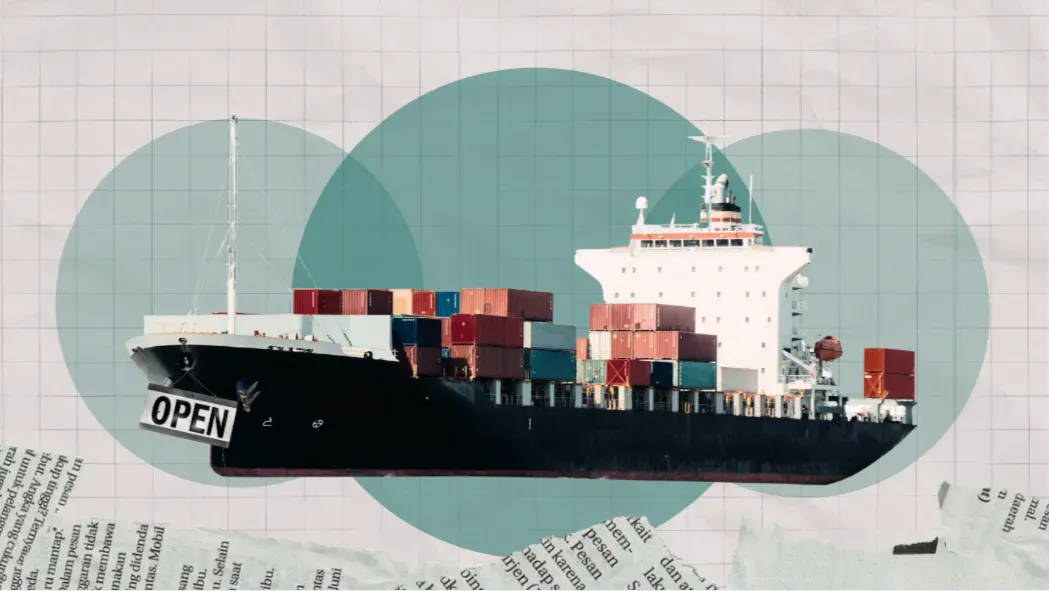
Oil prices fell and stocks rallied this week as the Strait of Hormuz began reopening following an interim agreement between the United States and Iran. The deal, which aims to restore commercial shipping through a key global energy corridor and allow Iranian oil exports to increase, eased fears of a prolonged energy shock that had weighed on markets throughout the spring.
Gulf producers have begun preparing more crude for market as the Strait reopens. Kuwait Petroleum offered crude for July delivery after announcing plans to restore output, while Abu Dhabi National Oil Company issued another tender this month. Alongside the rebound in Hormuz crossings, these moves connect this week’s market rally to actual supply activity.
Brent crude fell below $80 per barrel and West Texas Intermediate crude dropped to roughly $76 per barrel, with both benchmarks declining more than 5% following news of the interim agreement.
Commercial crossings through the Strait of Hormuz rose to 25 on June 18, the highest single-day total since April 18 and more than five times early-June levels.
Production could recover quickly, with roughly half of Gulf oil fields capable of returning to prewar output within two weeks but prices may stay elevated as countries replenish reserves.
With the planned U.S.-Iran talks called off Friday, questions remain around the final agreement and pace of normalization. The recovery has begun, but its durability will depend on whether shipping activity keeps rising, producers continue to restore output, and transit rules allow the reopening to hold.