Connect With Us
The Current

Our Insights

August 2, 2026

STORY OF THE WEEK

The Fed Holds Rates, but Questions Rise About Warsh

The grass isn't always greener for investors, as they seem to be missing Powell's certainty.
The Fed Holds Rates, but Questions Rise About Warsh

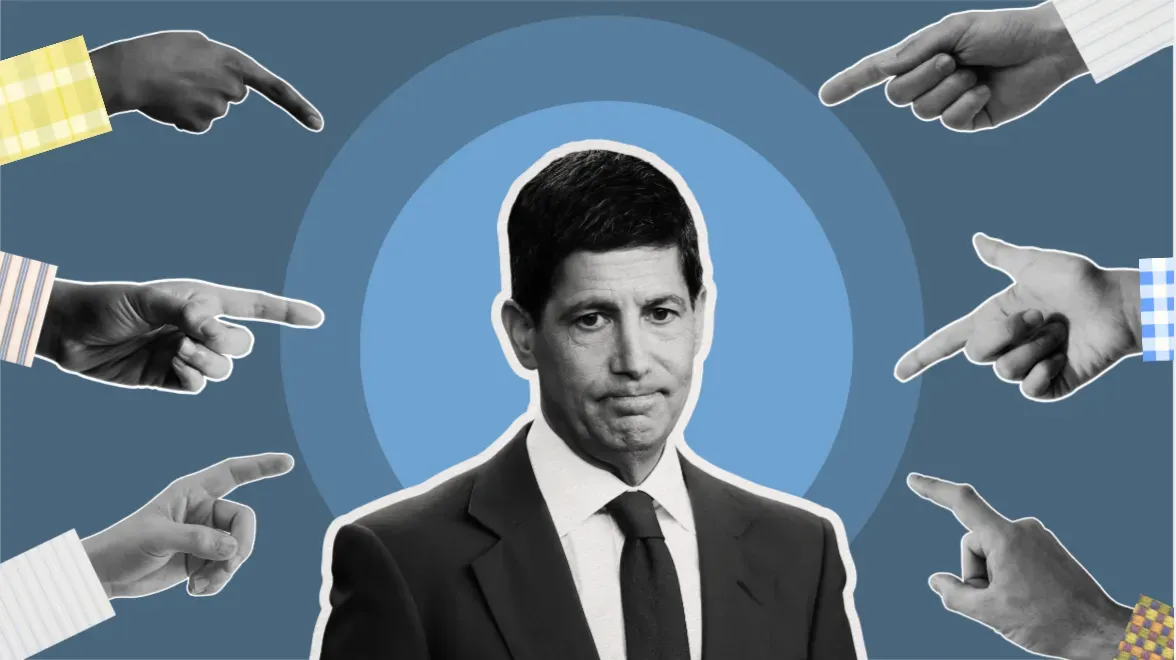
Kevin Warsh spent his first few weeks as Fed Chair wanting to fight U.S. inflation and pull it back to its 2% target. However, the markets are not so sure about Warsh. On Wednesday, the Fed held rates for a fifth straight meeting, but 3 of its 12 officials favored a hike, the most dissents in one direction since 2016. Warsh's reluctance to outline any concrete action to reach that target left the markets filled with uncertainty.

The issue was not the hold itself, but Warsh's refusal to spell out how he would actually get inflation down, which is a stark contrast from the previous Fed chairs. JPMorgan's note was headlined "Talk is Cheap." Morgan Stanley said it boiled down to "a question of credibility," and Bank of America called markets "doved and confused." Investors dumped long-term Treasurys, sending the 30-year yield to its highest level since 2007.

  • The 30-year Treasury yield jumped as much as 14 basis points to nearly 5.25%. The 2-year yield fell as investors dialed back bets on a near-term hike.

  • JPMorgan pulled its rate-hike call forward to December from the second half of 2027, and Bank of America now sees a September hike as more probable.

Warsh also raised doubts by questioning the Fed's longtime favorite tool to judge inflation, the personal-consumption expenditures (PCE) index, saying that he has a broader lens than just that. He also hinted that the Fed's balance sheet could come into play alongside rates to battle inflation. His sharp break from past Fed chairs has shaken both the equity and debt markets.
CLIMBS OF THE WEEK

What's Up in the Markets

What's Up in the Markets

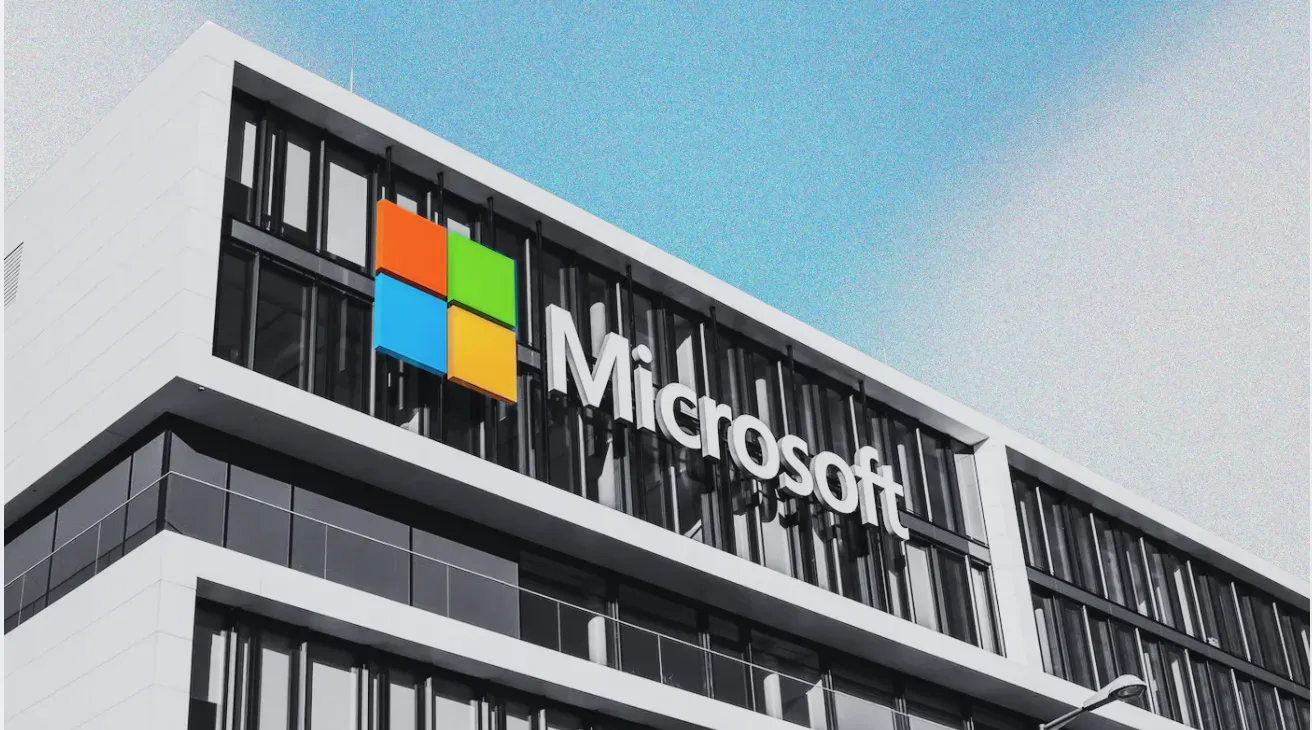
MSFT (+21.8%): Azure growth accelerated to 43% and Microsoft booked $130 billion in new data-center leases, giving investors a blueprint for AI spending that actually pays off.

AMZN (+17.0%): A blowout Q2 sent shares soaring, with analysts noting Amazon is already monetizing its AI investments rather than just pouring cash into them.

ORCL (+12.9%): Oracle has expanded a Google Cloud deal to embed Gemini models across its enterprise apps, and Microsoft's cloud blowout lifting the whole AI-compute space drove the spike.

SLIDES OF THE WEEK

What's Down in the Markets

What's Down in the Markets

AAPL (-7.2%): Apple shows weak sales forecast which sent shares tumbling, just days after they briefly topped a $5 trillion market cap.

RBLX (-25.1%): Roblox experiences a revenue miss and soft forward guidance sank the stock, outweighing a smaller-than-expected loss.

RDDT (-16.6%): A warning about "choppy" Google search referrals dragged Reddit's shares down, even after a blowout quarter, raising fears about how much the social platform leans on Google for traffic.

CHART OF THE WEEK

Who Really Owns the Market

Who Really Owns the Market

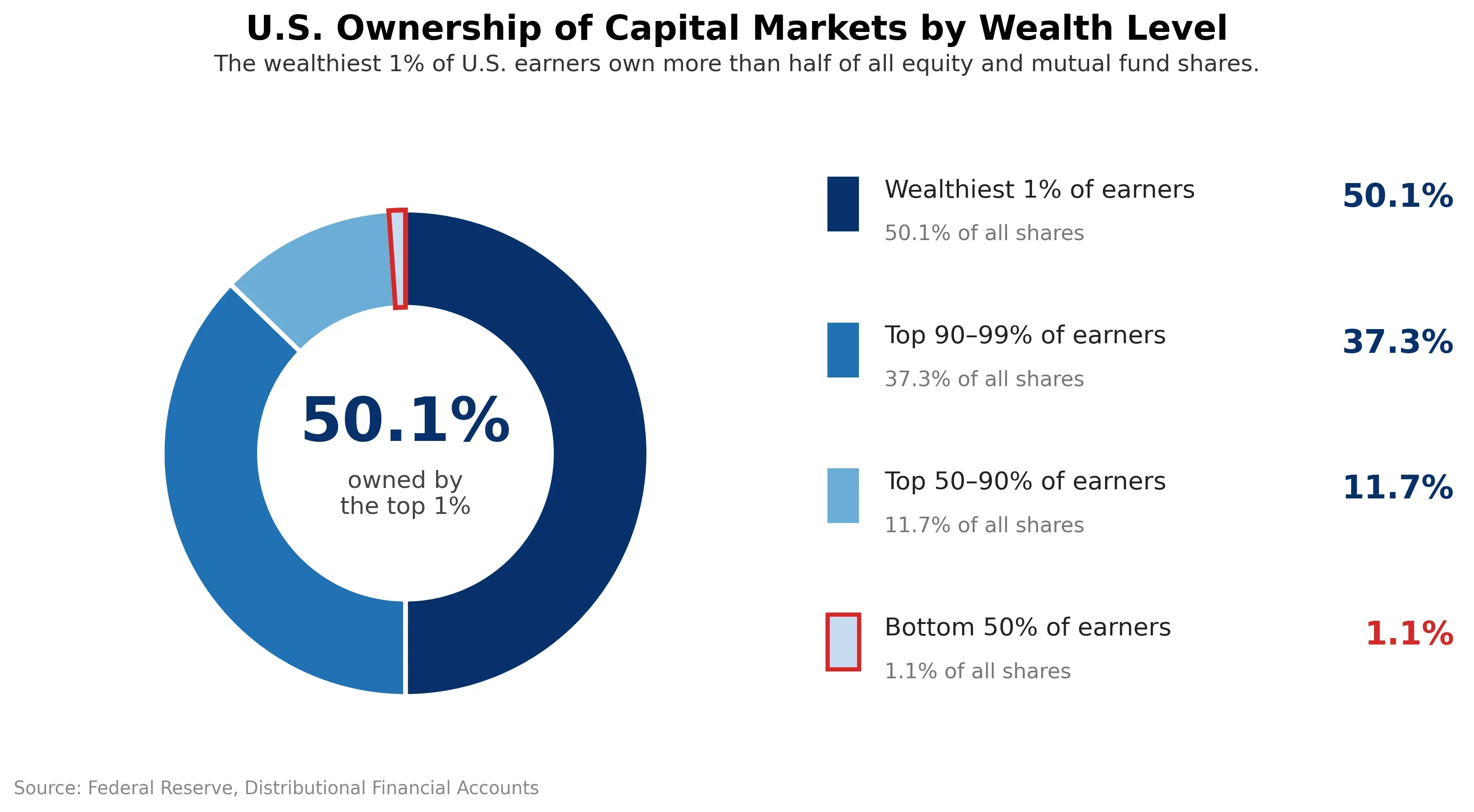
The wealthiest 1% of U.S. earners now own a majority of the shares in the capital markets. That proportion has climbed steadily over the years, up from around 40% in 1990. To put it in context, the bottom 50% of U.S. earners own just 1.1% of total shares, while the top 10% own nearly 90% of the market.

For investors, there's an important takeaway. When markets are bullish, most of the wealth is created among the top earners, while the bottom half sees little to none of the price appreciation, which only widens the income gap. This is why participating in the market matters. You can only grow with the market if you are actually participating in it. In this economy, the asset owners are the true winners.

The Current