Connect With Us
The Current

Our Insights

November 1, 2026

STORY OF THE WEEK

DoorDash Adds Instacart to the Order

DoorDash is buying grocery delivery Instacart for roughly $17 billion.
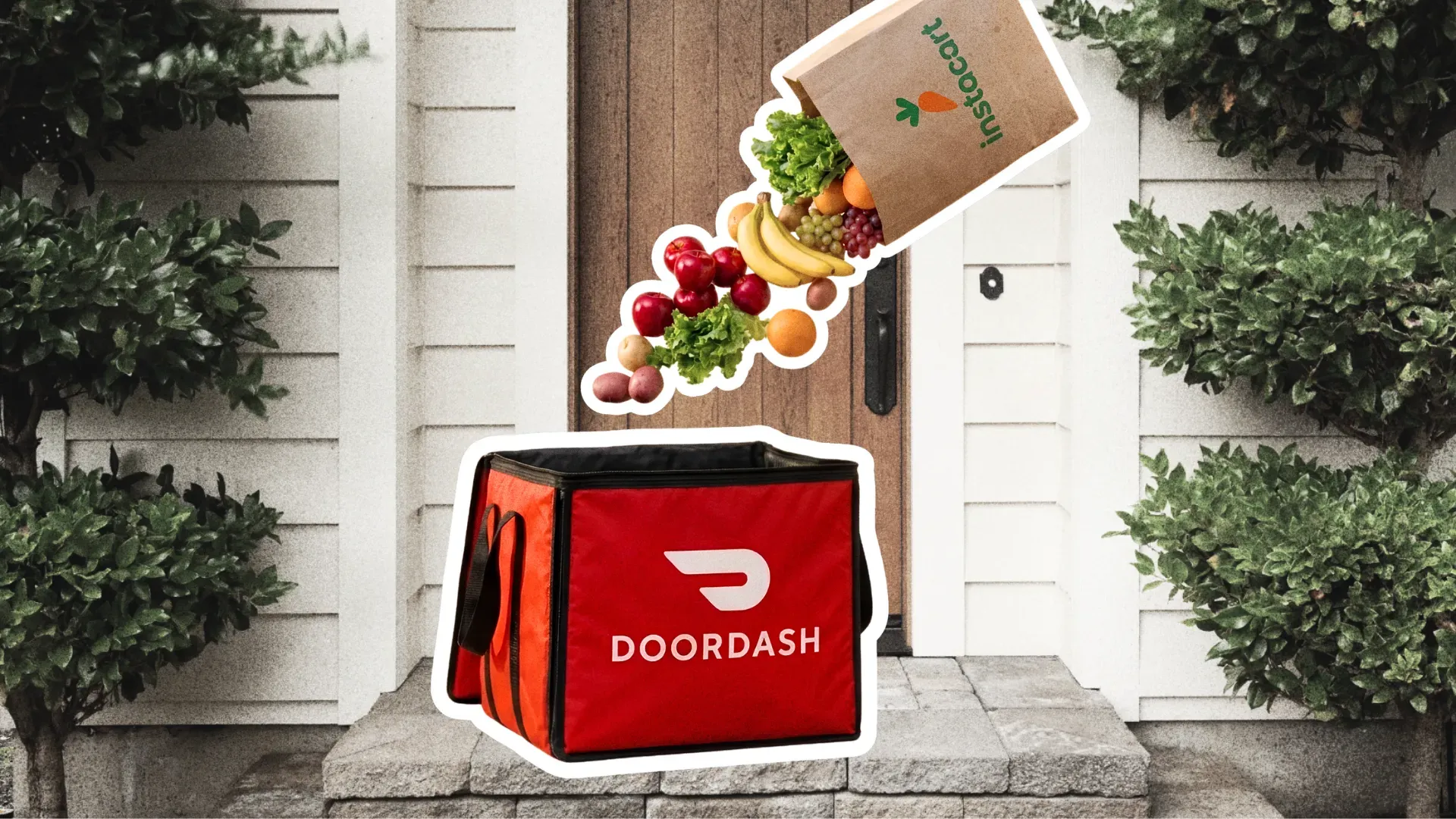
DoorDash Adds Instacart to the Order

DoorDash, best known for delivering restaurant meals, announced Thursday that it will buy Instacart, the biggest app for delivering groceries from other companies’ stores, in a deal worth about $17 billion. DoorDash plans to keep the Instacart app, and the companies will run separately until the deal closes, which is expected in late 2027 or early 2028.

Groceries are the prize. Americans are expected to spend $364 billion on groceries online this year, according to Capital One Shopping, with Walmart and Amazon leading and Instacart third. DoorDash says the deal would give Instacart customers access to about 50,000 more stores, and members of DashPass and Instacart+, the two subscription programs, would pay one fee instead of two. “Main Street doesn’t need to out-build the world’s biggest online retailers and grocers,” DoorDash CEO Tony Xu wrote on X. “What it needs is access to what others have built for themselves.”

The biggest hurdle may be regulators. DoorDash handled about 65% of U.S. delivery orders last year, according to data firm YipitData, as reported by Reuters. Consumer groups, including the American Economic Liberties Project, have urged the Federal Trade Commission to block the deal, citing concerns about higher prices and fees.

  • DoorDash will pay $65 a share, about 26% above Instacart’s stock price before reports of the talks, with at least 75% paid in cash.

  • DoorDash expects the deal to produce at least $500 million in yearly cost savings and new revenue by the third year after it closes.

For now, nothing has changed for customers. On the day the deal was announced, the FTC launched a study into whether DoorDash, Instacart and other companies use shoppers’ personal data to set prices. The two companies discussed a merger once before, in 2021, but talks reportedly ended over price and antitrust concerns. Now a lengthy antitrust review could decide whether the deal happens this time.

CLIMBS OF THE WEEK

What's Up in the Markets

What's Up in the Markets

EAT (+15.9%): Brinker International, owner of Chili’s, rose after Chili’s posted its 22nd straight quarter of sales growth, as more diners came in for its Big Crispy chicken sandwich and other value meals, and the company raised its full-year forecast.

WEN (+15.4%): Wendy’s rose after longtime investor and former chairman Nelson Peltz’s firm, Trian, offered about $1.4 billion to buy the struggling burger chain, more than the company’s roughly $1.2 billion market value before the offer.

LLY (+11.2%): Eli Lilly rose to a record high after soaring demand for its weight-loss drugs pushed quarterly revenue up almost +40% and led the company to raise its full-year sales forecast.

SLIDES OF THE WEEK

What's Down in the Markets

What's Down in the Markets

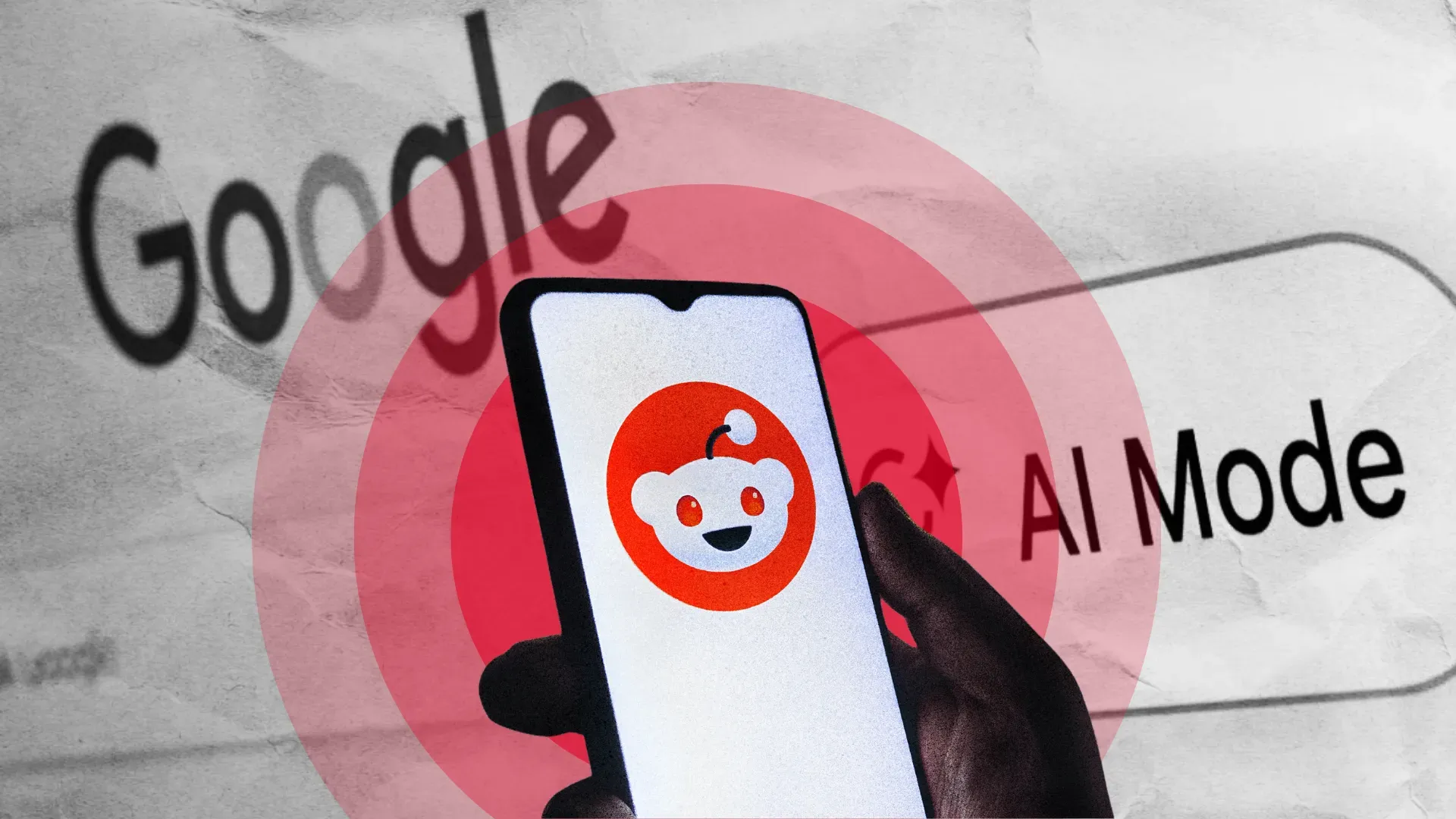
RDDT (-36.1%): Reddit fell after warning that Google’s AI search features could shrink its daily visitors by a low double-digit percentage this quarter, as visits from search engines dropped by more than 1 million a week in October.

INTC (-24.4%): Intel fell after it forecast holiday-quarter revenue of $15 billion to $16 billion, below the $17 billion Wall Street expected, and warned that its heavy spending on research and new factories might not pay off.

GOOGL (-12.7%): Alphabet fell after missing Wall Street’s profit and revenue expectations, as Google’s ad sales came up short and heavy spending on AI pushed it to burn through $9.1 billion in cash.

CHART OF THE WEEK

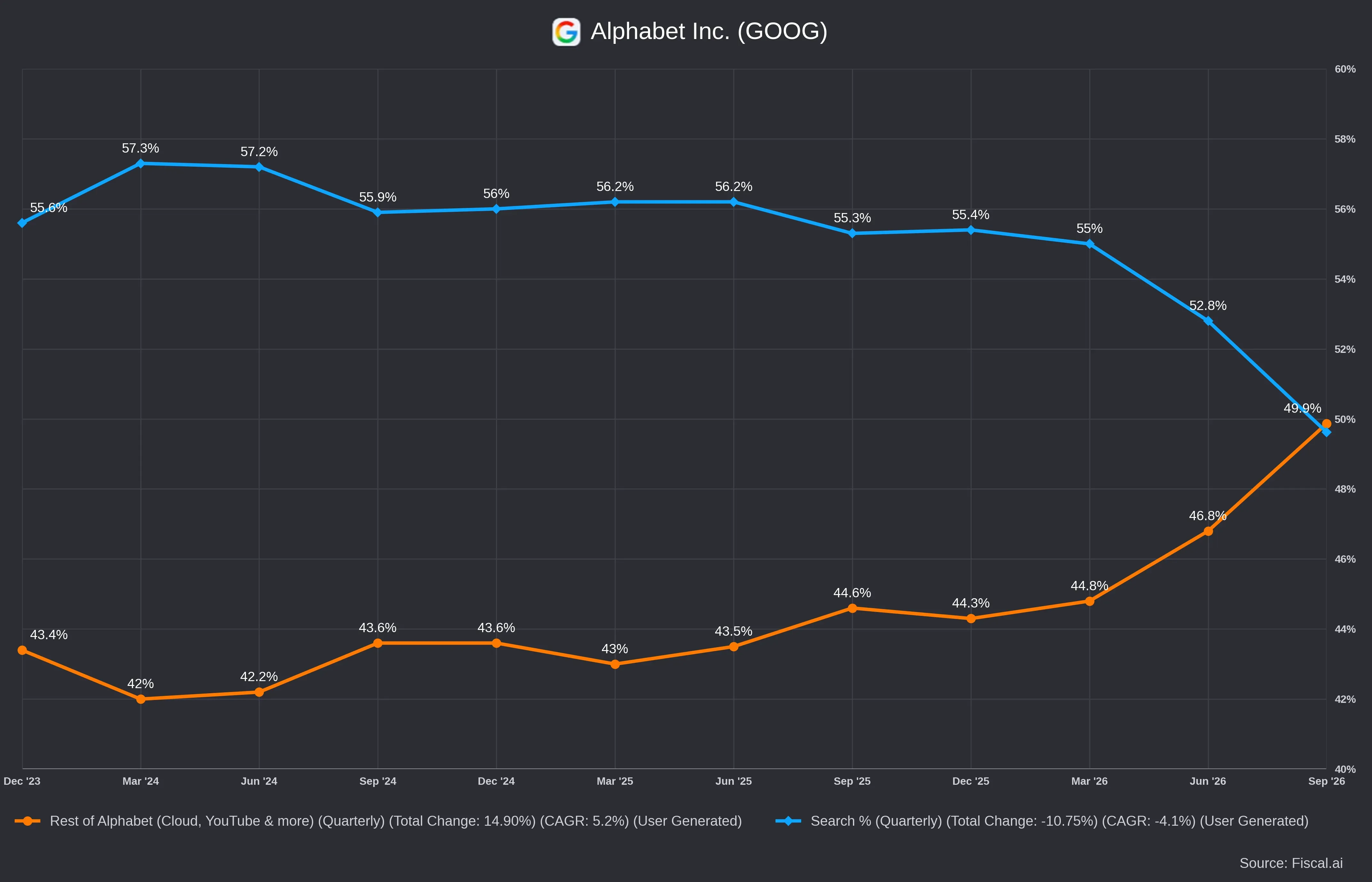
Google Search Loses Its Majority

Google Search Loses Its Majority

Alphabet, Google’s parent company, hit a milestone this quarter. As the graph shows, Google Search made up 49.7% of Alphabet’s revenue in the third quarter, while the rest of the company brought in 49.9%. It’s the first time Search has made up less than half of Alphabet’s sales since the company began reporting it separately. Just two and a half years ago, the gap was much wider: Search accounted for 57.3% of revenue, compared with 42% for everything else.

The lines crossed because the rest of Alphabet is growing faster, not because Search is shrinking. Search revenue still rose 12% from a year earlier, to $63.4 billion. Meanwhile, Google Cloud, which rents computing power and AI tools to businesses, more than doubled to $30.7 billion and now makes up about a quarter of Alphabet’s revenue. YouTube ads and subscriptions like YouTube Premium and Google One add another $25 billion. The graph’s sharpest move came over the past two quarters, as AI tools began changing how people search online. For Alphabet, the bet is that cloud and AI can carry the company’s next chapter.

The Current